
Why Pickleball Is Producing More Injuries Than Ever Before, and What Almost Everyone Gets Wrong
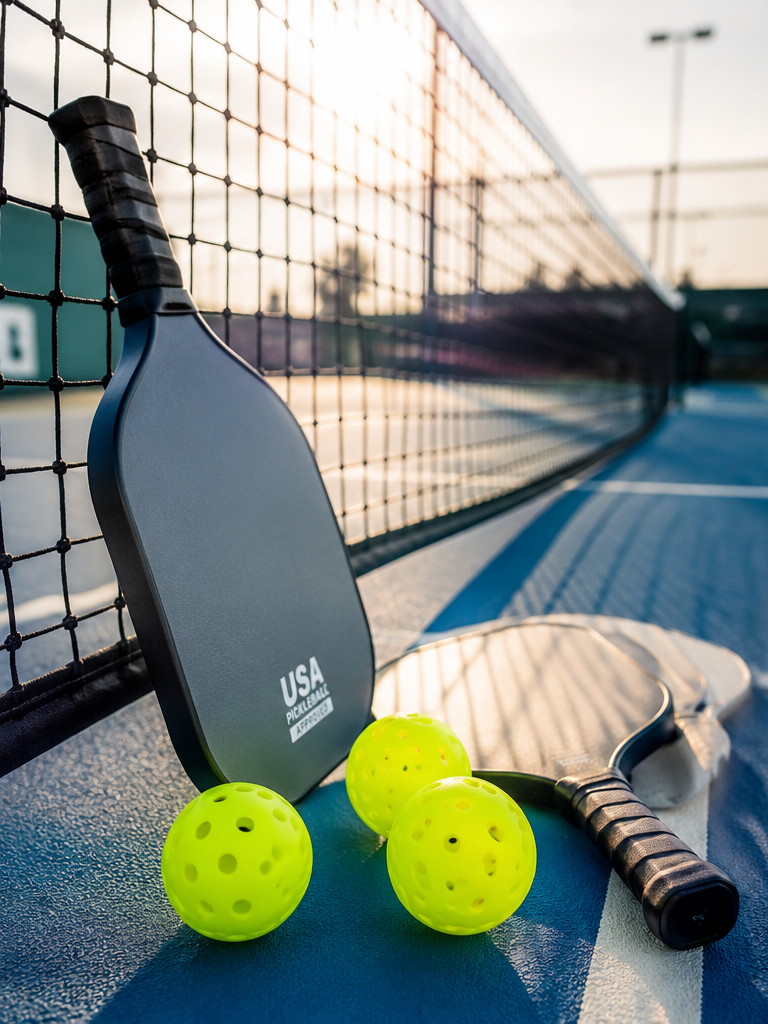
One of the questions I get asked most often is, “Why are so many people getting injured playing pickleball?” It’s an excellent question, but I actually think there’s a better one.
Has pickleball become more dangerous, or has the game evolved faster than the way we’re preparing our bodies to play it?
In my opinion, the answer is the second one. And that’s where this conversation begins.
I absolutely love pickleball. It has introduced millions of people to a healthier, more active lifestyle while creating a sense of community that few sports can match. You’ll find teenagers, young professionals, retirees, former collegiate athletes, and people who haven’t exercised in years all enjoying the same court. It brings people together through movement, laughter, competition, and connection.
But pickleball has changed. What many people still think of as a relaxed backyard activity has evolved into a fast, dynamic, and highly athletic sport. Rallies are quicker, players are stronger, strategies are more advanced, and the speed of play continues to increase. Recreational players today are making shots that were once seen mostly in competitive tournaments.
The game has evolved. Unfortunately, the way many people prepare for it has not.
One of the biggest misconceptions I see is the belief that because the court is smaller than a tennis court, pickleball must automatically be easier on the body. It sounds logical, but the reality is much more interesting. The smaller court actually requires you to react faster. There is less time to think, less time to recover, and less space to build momentum. Every point demands quick acceleration, sudden stops, rapid changes of direction, balance, coordination, and explosive rotation, often within just a few seconds.
Many players don’t realize just how athletic those movements are until their body reminds them the next morning.
I’ve had countless conversations with players who tell me, “I don’t understand it. I play three or four times a week. Why does my shoulder hurt? Why is my elbow bothering me? Why do my knees ache after every match?”
My first response is usually another question.
What are you doing to prepare your body when you’re not playing?
There’s often a long pause because that’s the piece many players have never considered.
Playing pickleball certainly improves your game. You develop better strategy, sharpen your court awareness, improve paddle control, and become more confident with every match. But playing alone doesn’t automatically improve your strength, mobility, stability, balance, recovery, or movement quality. Those qualities require intentional training, and they’re the very qualities that help your body tolerate the demands of the sport.
As both a strength and conditioning specialist and a health and wellness coach, I rarely look at an injury as an isolated event. Instead, I look at how the body moves.
The human body is incredibly efficient. When one area isn’t doing its job, another area quietly steps in to compensate. Weak hips may place extra stress on the knees. Limited core stability may force the shoulder to work harder than it should. Poor balance can change the way you lunge for a ball or recover after a shot. Those compensations often begin long before pain ever appears.
That is one of the reasons the most common pickleball injuries are surprisingly predictable. Shoulder pain, tennis elbow, lower back discomfort, hip and knee problems, calf strains, Achilles tendon irritation, and ankle sprains are not simply random injuries or bad luck. They are often signs that the body has been working harder than it was prepared to work.
The encouraging news is that this does not mean pickleball is unsafe. It means we have an opportunity to prepare differently.
One of the things I enjoy most about coaching is helping people understand that performance and wellness are never separate. The same habits that help you become healthier also help you become a better athlete. Strength training improves your ability to produce and absorb force. Mobility allows your joints to move more efficiently. Balance builds confidence and helps reduce the risk of falls. Proper recovery, quality sleep, good nutrition, hydration, and stress management all influence how well your body repairs itself between matches.
Even your mindset matters. Learning to recognize fatigue, adjusting your effort when necessary, and respecting what your body is telling you are all part of becoming a smarter athlete. The goal is not to play through pain. The goal is to play well, recover well, and continue enjoying the sport for many years.
That is really what I focus on when I write these pickleball articles, and honestly, when I write about any sport. Not simply preventing injuries. Not simply improving your game. It is about understanding what pickleball truly asks of your body so you can prepare for it with confidence. Once you understand why your body moves the way it does, every workout becomes more purposeful, every practice becomes more productive, and every match becomes more enjoyable.
Pickleball has inspired millions of people to move again. My hope is that these Insights help you continue enjoying this incredible sport for years to come by moving better, playing stronger, and taking care of the one piece of equipment you will always bring to every match: your body.
Coach’s Insight
One of the biggest mistakes I see is believing that playing more automatically prepares your body for pickleball. It does not. Playing develops your skills. Training develops your body. The strongest players are not always the ones with the hardest serve or fastest hands. They are the ones whose bodies are prepared to move efficiently, recover well, and perform consistently.
When strength and conditioning, mobility, recovery, healthy habits, and the right mindset work together, performance naturally follows. That is the philosophy behind Pickleball Strong and the foundation of everything we will explore throughout this series.
Final Thoughts
Pickleball is much more than a game. It is an opportunity to challenge yourself, stay active, connect with others, and enjoy movement at every stage of life. My goal with these Insights is to help you better understand the science behind the sport so you can make informed decisions about how you train, recover, and perform.
Whether you are stepping onto the court for the first time or competing at a high level, remember that great performance does not begin with the paddle. It begins with a body that is prepared to move well, a mind that is ready to learn, and healthy habits that support both.
Before you head to the court, ask yourself: what is one thing you are doing to prepare your body for pickleball when you are not actually playing?
In health and wellness,
Indra Echeverri, MA, NSCA-CSCS, NBC-HWC, MCWC
Founder, IndraHealth Wellness Consultants, LLC